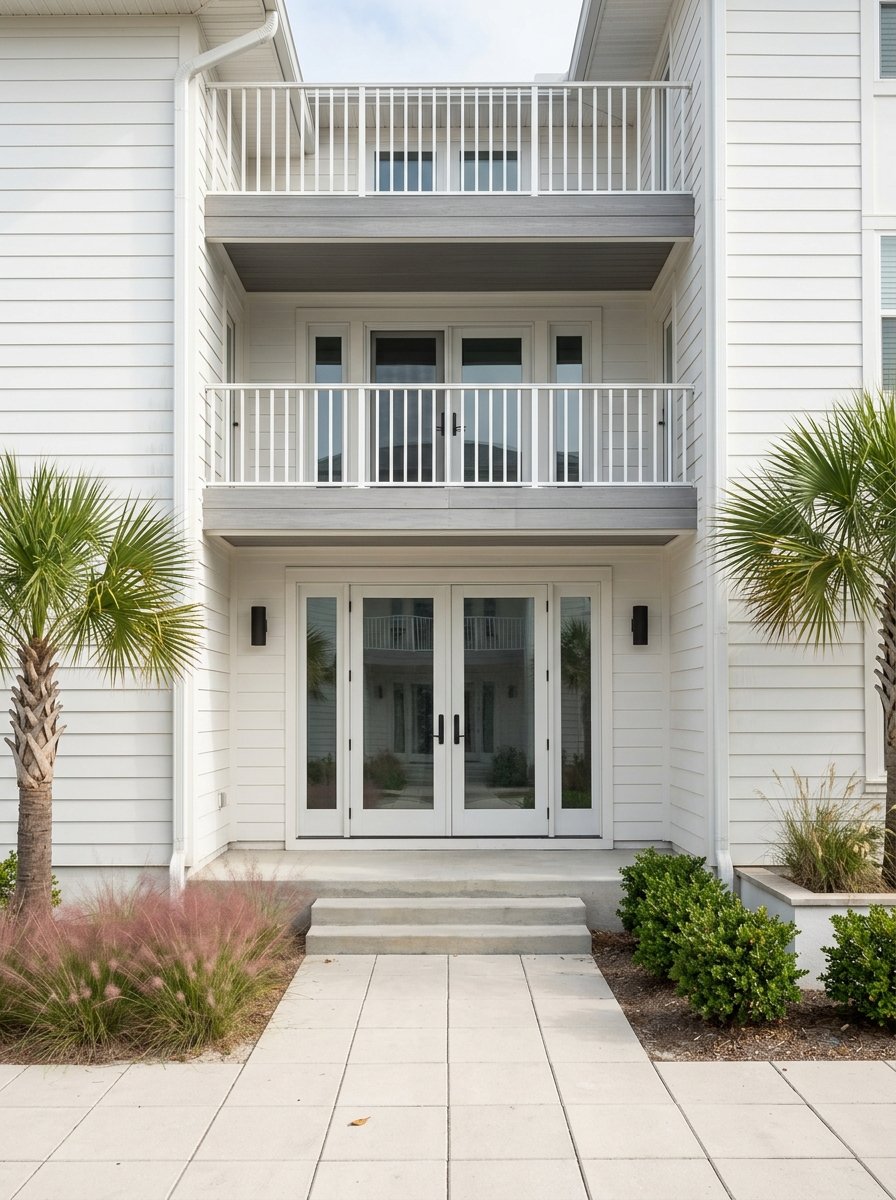
How To Buy A Condo In Carolina Beach, Step By Step
April 16, 2026
April 16, 2026
Buying a condo in Carolina Beach can feel simple at first glance. Then the real questions show up. Does the HOA allow rentals? What does the master insurance policy cover? Is the building in a flood zone? If you want a condo here, you need more than a quick showing and a preapproval letter. You need a plan. In this guide, you’ll learn how to buy a Carolina Beach condo step by step, what documents matter most, and where coastal ownership requires extra care. Let’s dive in.
Before you look at floor plans or beach access, get clear on how you plan to use the condo. In Carolina Beach, that choice affects financing, insurance, taxes, and the HOA documents you need to review.
Ask yourself whether the condo will be your primary home, second home, long-term rental, or short-term rental. If you plan to rent it out short term, you will want to verify association rules and understand local tax requirements early. New Hanover County lists a 6% room occupancy tax for Carolina Beach, and taxable short-term rentals are subject to reporting requirements according to the county occupancy tax information.
A preapproval is an important first step, but it is not a final loan commitment. The Consumer Financial Protection Bureau notes that preapproval letters are tentative and often expire in 30 to 60 days.
With condos, the building can matter as much as your personal finances. Lenders may need to review the condo project itself before approving the loan. That means it is smart to talk with your lender about condo financing before you get too attached to one specific unit or building.
In Carolina Beach, coastal risk is part of the buying process from day one. It is not something to check after you are under contract.
Use FEMA’s official Flood Map Service Center to check the property by address. FEMA says properties in a Special Flood Hazard Area have at least a 26% chance of flooding over a 30-year mortgage, and coastal flood risk can include storm surge, wave action, and erosion.
Insurance is just as important. The North Carolina Department of Insurance says standard homeowners policies do not cover flood damage, and some coastal policies may also exclude windstorm and hail. Their flood insurance guidance also notes that flood insurance can come with a 30-day waiting period, which is one reason insurance quotes should be part of your offer timeline.
One of the smartest things you can do is request the condo packet before writing an offer or as early in the process as possible. These documents tell you how the association operates and what ownership will actually look like.
At a minimum, you should review:
Under North Carolina law, sellers are required to provide both a residential property disclosure statement and an owners’ association and mandatory covenants disclosure statement no later than the time you make an offer. You can review those requirements in Chapter 47E of the North Carolina General Statutes.
These records can reveal rental restrictions, pending fees, special assessments, services covered by dues, and even whether there are pending lawsuits involving the association. In a beach market, those details matter.
Monthly dues are only part of the financial picture. You also need to know whether the seller owes money to the association and whether the condo could be affected by special assessments or other charges.
North Carolina condo law requires associations to provide a statement of unpaid assessments within 10 business days of request. The same law explains that unpaid assessments can become a lien after 30 days once filed. You can find those rules in North Carolina condominium association statutes.
This is why a low HOA fee should never be the only thing you compare. A condo with modest dues but weak reserves or pending assessments may cost more over time than one with higher monthly dues and stronger financials.
Many buyers assume the HOA insurance covers everything. It does not.
Under North Carolina law, the association must maintain property insurance on the common elements and carry liability insurance. In some building types, the master policy may also extend to units to the extent reasonably available. You can review those standards in GS 47C-3-113.
The North Carolina Department of Insurance explains that condo owners often need an HO-6 unit-owners policy for the interior of the unit and personal property. As you review a condo purchase, make sure you understand where the master policy stops and what you will need to insure yourself.
A condo inspection is still essential, even if the association handles many exterior items. In Carolina Beach, you want the inspector to pay close attention to signs of water intrusion, window and door condition, HVAC age, balconies or decks, and deferred maintenance.
If you hope to make changes after closing, verify the permit path before you buy. The Town of Carolina Beach explains that building permits and inspections may be handled by either the Town or New Hanover County, depending on who issued the permit.
That may sound like a small detail, but it can affect your renovation timeline and budget.
When you buy a condo, the listing only tells part of the story. The real leverage usually comes from what you find in the documents.
For example, if the budget shows weak reserves, if there is a pending assessment, or if the insurance structure leaves you with higher ownership costs than expected, those facts can shape your negotiations. In other words, you are not just buying square footage and a view. You are buying into a shared legal and financial structure.
Before closing day, take time to go over the numbers in detail. The CFPB Closing Disclosure guide is a helpful resource for understanding your final loan terms and closing costs.
This is also the time to confirm prorated HOA dues, transfer fees, and any amounts related to assessments. The North Carolina Department of Insurance also notes that while owner’s title insurance is not required, the lender’s policy protects only the lender, not you.
Owning a condo in Carolina Beach also means planning for storm season and post-storm access. If the property is a second home, this matters even more.
The Town of Carolina Beach says re-entry after a disaster may be restricted to property or business owners and permanent residents with a town decal. Keep your HOA documents, insurance information, and closing records organized and accessible outside the unit so you can get to what you need if conditions change quickly.
If you want the short version, here is the process in order:
A condo purchase in Carolina Beach can move quickly, but it should never feel rushed. Between association rules, coastal insurance questions, flood exposure, and financing details, there are several moving parts that deserve careful attention.
When you have the right guidance, you can sort through those details with more confidence and fewer surprises. If you are thinking about buying a condo in Carolina Beach, Renee W Reitzel offers hands-on, local support to help you evaluate options, review the right questions, and move forward with clarity.
Stay up to date on the latest real estate trends.



Whether you’re ready to start or just have questions, Renee is here to help. Reach out today to get one step closer to your Carolina dream.