What Wilmington Homebuyers Expect In Today’s Market
February 5, 2026
February 5, 2026
Wondering what today’s Wilmington buyers will notice first when they tour your home? You are not alone. With a mix of local movers, retirees, remote workers, and investors shopping across New Hanover County, expectations are diverse but consistent on condition, documentation, and value. In this guide, you will learn exactly what buyers look for, how coastal factors shape decisions, and how to prepare a strong listing timeline so you can sell with confidence. Let’s dive in.
Inventory across Wilmington remains lower than long‑term norms in many neighborhoods, and price growth has moderated from earlier peaks. According to regional reporting from Cape Fear REALTORS, well‑priced, move‑in‑ready homes still attract strong attention. Buyers are more price‑sensitive than during the 2020–21 rate lows, and many are arriving preapproved. National context from the National Association of REALTORS also shows standard contingencies remain common, even when competition increases.
What this means for you: if you price within realistic neighborhood comps and present a turnkey home with clear documentation, you can compete for more showings and better offers. If your home needs work, buyers will often discount for deferred maintenance unless you address key repairs ahead of listing.
Wilmington buyers come from several segments, and a single listing can appeal to more than one group:
Your marketing should highlight multiple possible use cases. Emphasize proximity to lifestyle amenities for retirees and second‑home buyers, and stress turnkey condition and efficient systems for first‑time and mortgage‑financed buyers.
New Hanover County includes a range of FEMA flood zones. Buyers often review maps and request elevation certificates early. You can help by gathering any available documentation and clarifying past flood claims or mitigation work. Explore the FEMA Flood Map Service Center for zone references and elevation certificate guidance.
Hurricanes and coastal wind are part of our market reality. Buyers pay attention to roof condition, impact‑rated windows or shutters, and other wind‑resilient features that can support better insurance outcomes. For statewide guidance and updates that affect coastal premiums and carrier options, review the North Carolina Department of Insurance.
North Carolina requires the Residential Property and Owners’ Association Disclosure Statement and compliance with federal lead‑based paint rules for pre‑1978 homes. Assemble your HOA covenants, restrictions, and financials early so buyers can review them. You can find seller disclosure resources through the North Carolina Real Estate Commission.
Some neighborhoods are on municipal sewer and others use septic systems. Buyers and lenders typically ask for septic inspection or pump records where septic is present. If your property is near water, confirm surveys, any public access easements, and riparian rights details before listing.
Use recent closed comps from your micro‑market, not broad city averages. Adjust for condition and any needed repairs. In areas with tight inventory, a well‑priced, turnkey home can draw multiple offers.
Expect standard contingencies for inspection, appraisal, and financing, especially from mortgage buyers. In competitive situations, some buyers may shorten inspection windows, offer appraisal gap coverage, or limit repair requests. Cash and preapproved offers reduce financing risk and can be attractive to you.
Well‑presented homes can receive offers within days to a couple of weeks in active submarkets. Plan for 30 to 60 days to close with conventional financing, and 7 to 21 days for cash if title and surveys are clear. Inspections and appraisals typically add 1 to 3 weeks, which is faster when you provide pre‑listing inspections, utility bills, repair receipts, and maintenance documentation.
If prices have moved quickly in your neighborhood, appraisal gaps can occur. Be ready to justify your price with local comps and written proof of upgrades. Lender requirements for flood‑zone properties, septic approvals, or insurance may extend timelines, so clear and complete documentation helps keep your closing on track.
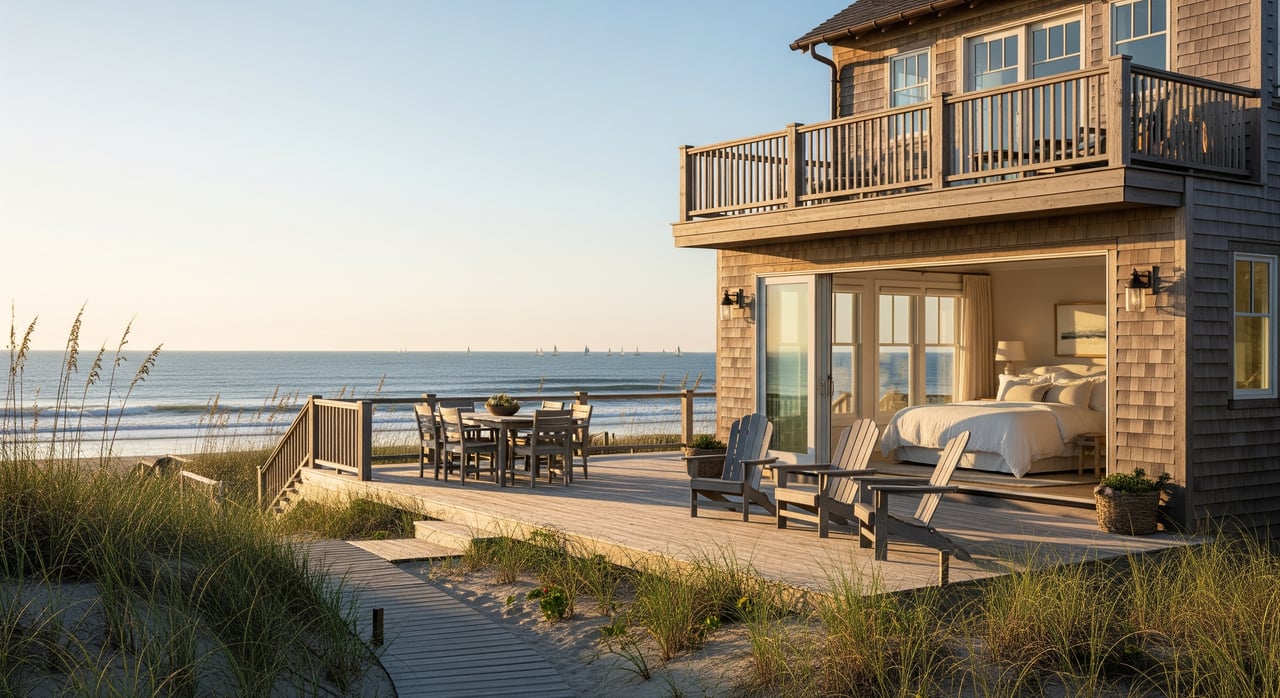
Near Wrightsville, Carolina, and Kure beaches, buyers expect low‑maintenance coastal finishes, recent systems, and documented flood and insurance history. Investor interest near the beaches means some buyers will ask about rental potential and occupancy rules.
Character and walkability matter, paired with updated mechanicals, preserved details, and proper permits for past renovations. Clear documentation supports buyer confidence.
Across New Hanover neighborhoods like the Mayfaire and Ogden areas, buyers value backyard space, proximity to shopping and medical, and a turnkey feel with modern kitchens and bathrooms.
In communities like Landfall and newer developments, buyers expect clear HOA information, defined amenities, and careful pricing against competing new construction.
Use this step‑by‑step timeline to align your listing with buyer expectations and reduce friction once you go live.
You only get one first impression. When you present a well‑maintained Wilmington home with clear flood and insurance information, realistic pricing, and a plan tailored to your neighborhood, you meet buyers where they are and keep your closing on schedule. If you want a hands‑on partner who knows coastal New Hanover micro‑markets and will guide you step by step, reach out to Renee W Reitzel.
Stay up to date on the latest real estate trends.
Whether you’re ready to start or just have questions, Renee is here to help. Reach out today to get one step closer to your Carolina dream.