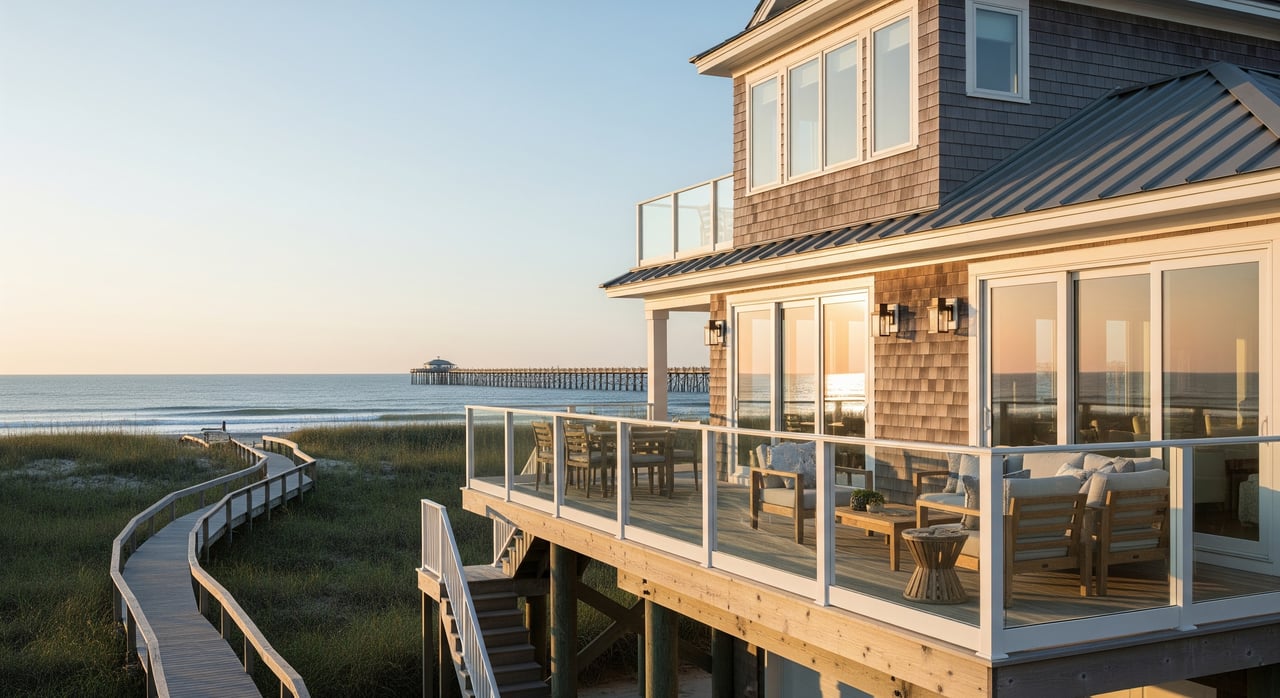
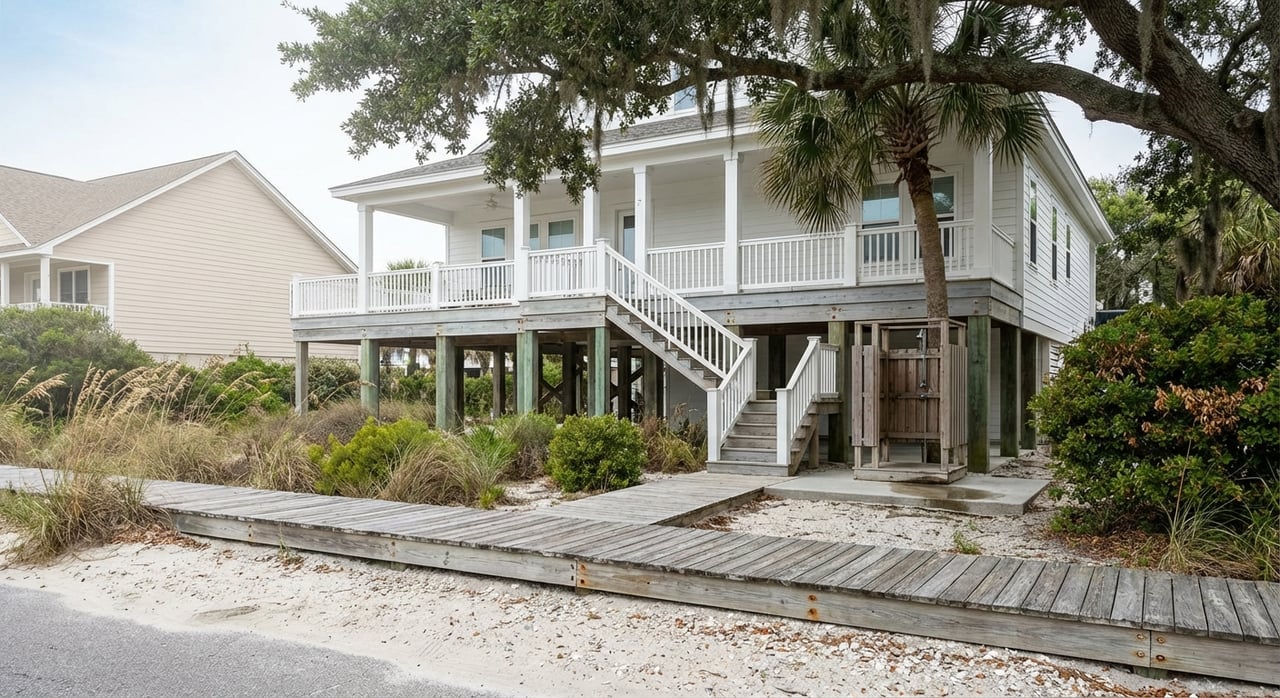
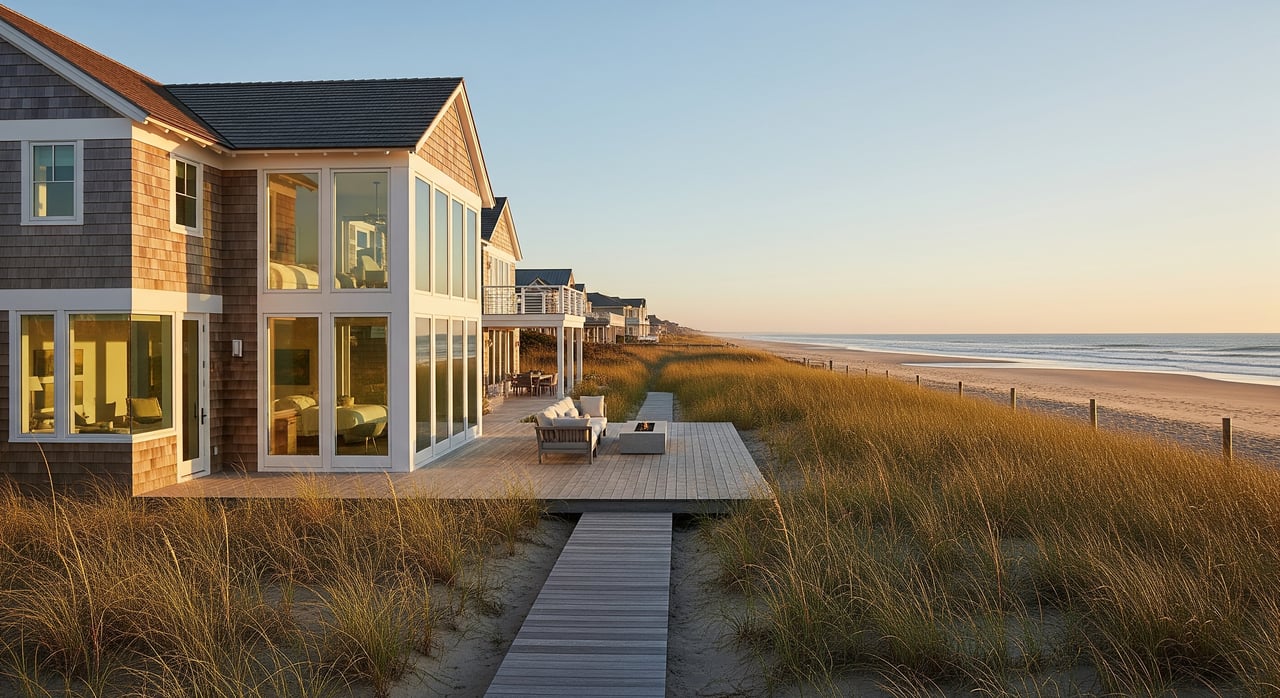
Thinking about a Kure Beach getaway you can enjoy and possibly rent when you are away? The loan you choose will shape your rate, down payment, insurance needs, and what you can legally do with the property. Here on the coast, flood and wind coverage, condo rules, and short-term rental policies add extra layers. In this guide, you will learn the key differences between second-home and investment loans, what lenders verify, Kure Beach specific considerations, and simple examples to compare costs. Let’s dive in.
Second home vs investment: what they mean
A second home is a property you plan to use yourself for part of the year. You may rent it occasionally, but it is not primarily an income property. Lenders treat it as owner-occupied for underwriting and pricing. For basics on mortgage types, see the Consumer Financial Protection Bureau’s overview of mortgage options and how they work.
An investment property is purchased mainly to generate rental income or appreciation. You do not live in it as a residence. Lenders consider these loans higher risk, so they typically require bigger down payments and charge higher rates.
In Kure Beach, the difference matters because coastal flood risk, condo rules, and short-term rental policies can change what loans are available and what insurance costs.
How occupancy shapes your loan
Lenders ask you to declare how you will use the home. For a loan to qualify as a second home, you typically sign an occupancy statement promising you will use it as a second residence and occupy it for part of the year. Lenders may verify your primary residence through tax returns, licenses, and utilities. The home usually must be suitable for year-round use.
- FHA, VA, and USDA loans generally require primary occupancy. These programs are not designed for second homes or investments. For program rules, consult HUD’s resources and the CFPB’s mortgage basics.
- Conventional conforming and jumbo loans are the most common choices for second homes and investment properties. For technical program references, see Fannie Mae and Freddie Mac.
- If you are buying a condo or a property you plan to rent short-term, your lender may require HOA documents that show whether rentals are allowed and whether the project meets insurance and reserve standards.
Misstating occupancy can violate loan terms. If you will rely on rental income or plan to rent most of the time, talk with your lender about investor loan options.
What it costs: down payments, rates, reserves
Exact requirements vary by lender and market, but industry norms look like this:
- Down payment
- Second home: commonly around 10 to 15 percent minimum, sometimes higher for condos or lower-credit profiles.
- Investment property: commonly 15 to 25 percent minimum. Many investors put 20 percent or more down.
- Interest rates
- Pricing generally goes: primary residence, then second home, then investment property. Second-home rates are often a few tenths of a percent higher than primary. Investor loan rates are often several tenths to about one percent higher than primary, depending on the borrower and market.
- Credit and reserves
- Second-home loans may require a few months of reserves. Investment loans often require more, commonly six months or more of mortgage payments in cash reserves.
- Mortgage insurance and LTV
- Conventional loans with over 80 percent loan-to-value usually require private mortgage insurance. Investor loans rarely allow high LTVs, and PMI options are more limited or more costly.
These ranges reflect common practice, but each lender sets its own rules. Get quotes early and ask how condo status, STR plans, and flood zone affect your terms.
Kure Beach coastal and condo considerations
Buying near the ocean adds unique checks and costs. Plan for these early to avoid surprises.
Flood and wind insurance
Many Kure Beach properties sit in FEMA mapped flood zones. If the home is in a Special Flood Hazard Area, your lender will require flood insurance. Premiums depend on elevation, claims history, and mitigation features. Start with the FEMA Flood Map Service Center to see the property’s flood zone and learn about the National Flood Insurance Program. Wind or hurricane coverage may also be required by lenders and HOAs.
Condo project approval and rental rules
Condos are common at the beach. Lenders often need project approval or specific condo documents before they will fund your loan. High investor ownership, limited reserves, or inadequate insurance can create roadblocks. Review guidance from Fannie Mae, Freddie Mac, and HUD for condo standards. Also confirm whether the HOA allows short-term rentals and if there are minimum lease terms. These rules affect both financing and resale.
Appraisals and marketability
In a small town, comparable sales can be limited, which can complicate valuations. Lenders and appraisers also look for year-round access, habitability, and compliance with coastal setback and elevation rules. These factors can influence value and loan eligibility.
Short-term rentals: rules and financing
Short-term rentals are popular here, but you must align local rules, HOA policies, and financing.
- Local permits and taxes. Many North Carolina beach towns require permits, registration, safety checks, and transient occupancy taxes. Confirm current rules with the Town of Kure Beach and check county processes at New Hanover County. For state guidance on sales and occupancy taxes, visit the North Carolina Department of Revenue.
- HOA and condo covenants. Even if the town allows STRs, your building or community may not. Ask for the covenants, restrictions, and rental policies before you write an offer.
- Lender view. Your loan is underwritten to your declared occupancy at closing. Occasional rental can be compatible with some second-home loans, but if rentals are the primary use, you likely need an investor product. Some lenders offer DSCR or portfolio investor loans that underwrite to rental income rather than your personal income.
Which path fits your plan
Ask yourself a few simple questions to narrow your path:
- Will you personally use the home for part of the year and not rely on rent to cover the mortgage? A second-home loan may fit.
- Will you market the property as a short-term rental most of the time or lean on rental income to qualify? An investment or DSCR style loan is likely the right route.
- Is it a condo with rental restrictions, or a single-family home with more flexibility? That can shift your loan options.
- Is the property in a flood zone with higher insurance costs? That can change your budget and lender requirements.
When your use plan is clear, your lender can give accurate pricing and requirements, and you can write stronger offers with confidence.
Kure Beach examples to compare
The numbers below are simple illustrations. Rates and requirements change often. Talk with your lender for current options.
Example A: Beach condo as a second home
- Purchase price: 600,000 dollars
- Down payment: 15 percent, 90,000 dollars
- Loan amount: 510,000 dollars
- Illustrative rate: about 6.75 percent for a second home when a primary rate might be near 6.50 percent
- Estimated principal and interest: about 3,295 dollars per month on a 30 year fixed
- Other costs to budget: HOA dues, flood insurance if in a mapped zone, wind insurance, property taxes, utilities, maintenance, and any occasional rental management fees
- What to verify: condo project approval, HOA rental policy, flood zone and insurance quotes, and any reserve requirements your lender sets
Example B: Single family beach house as an investment
- Purchase price: 1,200,000 dollars
- Down payment: 25 percent, 300,000 dollars
- Loan amount: 900,000 dollars
- Illustrative rate: about 7.25 percent on an investor loan
- Estimated principal and interest: about 6,079 dollars per month on a 30 year fixed
- Other costs: higher reserve requirements, business licensing or registrations for STRs, higher insurance costs, occupancy taxes, property management, turnover and cleaning, and seasonal vacancy
- Financing alternatives: some lenders offer DSCR or portfolio loans that use projected rental income, often with higher rates and reserve needs
These examples show how the intended use affects your rate, down payment, and cash reserve needs. They also highlight why insurance and HOA rules should be reviewed before you make an offer.
Buyer checklist before you write an offer
Use this quick checklist to reduce surprises and keep your timeline on track.
- Financing and occupancy
- Decide if the home will be a second residence or an investment. Share that plan with your lender and get pre approved for the correct product.
- Ask what documentation is needed for occupancy, reserves, and condo review.
- Property specifics
- Check the FEMA flood map and request any Elevation Certificate to get early insurance estimates using the FEMA Map Service Center.
- For condos, request covenants, rental policies, insurance certificates, reserves disclosures, and recent HOA meeting minutes if available.
- Insurance and reserves
- Get quotes for flood and wind coverage as soon as you go under contract. Clarify what proof your lender requires before closing. Learn about NFIP basics at FEMA’s flood insurance page.
- Confirm how many months of reserves your lender will require.
- Local compliance
- Tax and accounting
- Discuss occupancy taxes and how to report rental income with a CPA.
- Exit and resale
- If the HOA restricts rentals, consider resale implications. If STRs are allowed, research seasonality and occupancy patterns in Kure Beach.
Local guidance for a smooth purchase
Buying at the beach can feel complex, but a clear plan makes it manageable. Define how you will use the home, confirm local and HOA rules, and get insurance quotes early. Then choose the loan that matches your plan so you can move forward with confidence.
If you want experienced, hands-on guidance across the Carolina Beach peninsula, including Kure Beach, I am here to help you align your goals, budget, and timeline. From condo documents to STR questions, you will get straightforward advice and attentive service every step of the way. When you are ready to talk strategy, connect with Renee W Reitzel.
FAQs
What is the key difference between second-home and investment loans in Kure Beach?
- A second-home loan fits a property you will use part of the year, while an investment loan fits a property you will rent primarily for income, with stricter terms and higher rates.
Can I use FHA or VA financing for a Kure Beach second home or rental?
- Generally no, FHA, VA, and USDA financing are designed for primary residences, so second homes and investment properties typically require conventional or jumbo options.
Do lenders allow short-term rentals if I get a second-home loan?
- Occasional rental may be acceptable, but if rentals are the primary use or needed to qualify, lenders usually require an investor loan, so confirm with your lender and review HOA rules.
How do flood zones affect my loan and insurance in Kure Beach?
- If the home is in a Special Flood Hazard Area, lenders require flood insurance, so check the property’s status on the FEMA Flood Map Service Center and get quotes early.
What documents might lenders request to verify occupancy and condo eligibility?
- Expect an occupancy statement, primary residence verification, and for condos, HOA covenants, rental policies, insurance certificates, reserve details, and possibly project approval status.
What should I confirm before planning a short-term rental in Kure Beach?
- Verify the town’s permit and tax rules, the HOA’s rental policy and any lease minimums, and your lender’s requirements for investor loans, then budget for occupancy taxes and management costs.