Choosing The Right Wilmington Neighborhood For Coastal Living
February 19, 2026
February 19, 2026
Do you picture sandy morning walks, quiet marsh sunsets, or dinner on a riverfront boardwalk? In Wilmington and New Hanover County, “coastal living” can mean very different things from one neighborhood to the next. If you are trying to choose the right fit, a little structure goes a long way. In this guide, you will match your lifestyle to the right waterfront experience, learn the coastal rules that matter, and use a simple checklist to build a confident short list. Let’s dive in.
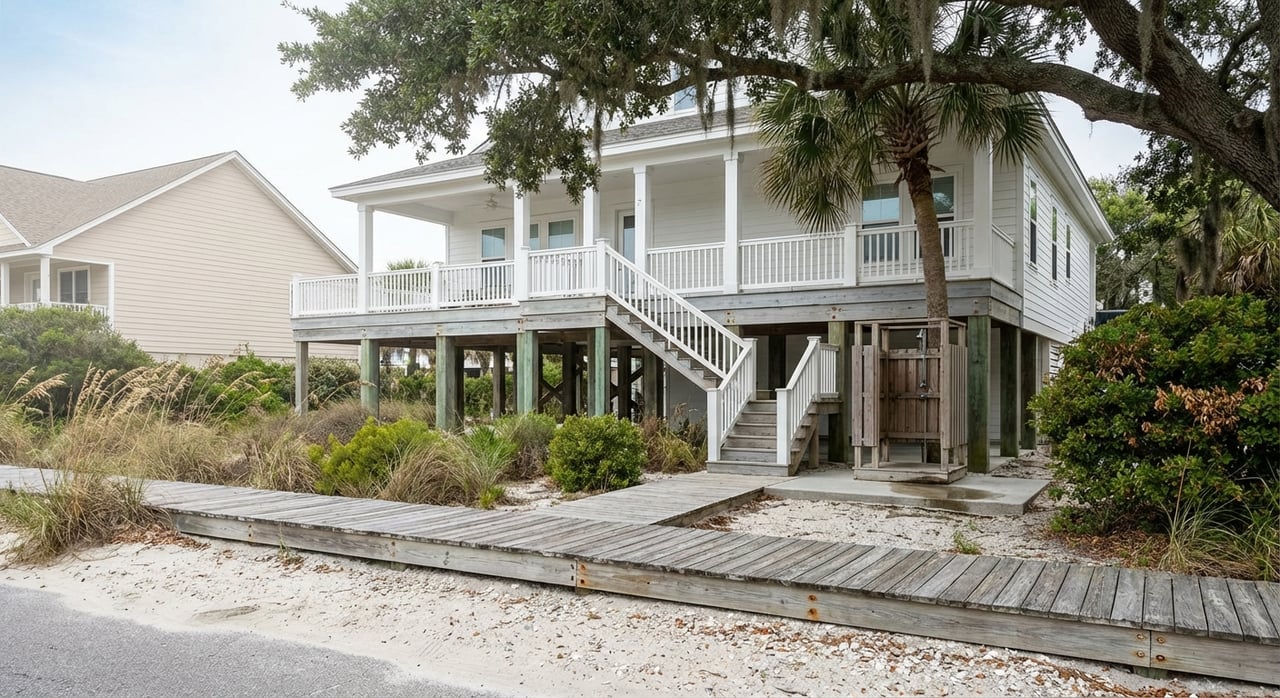
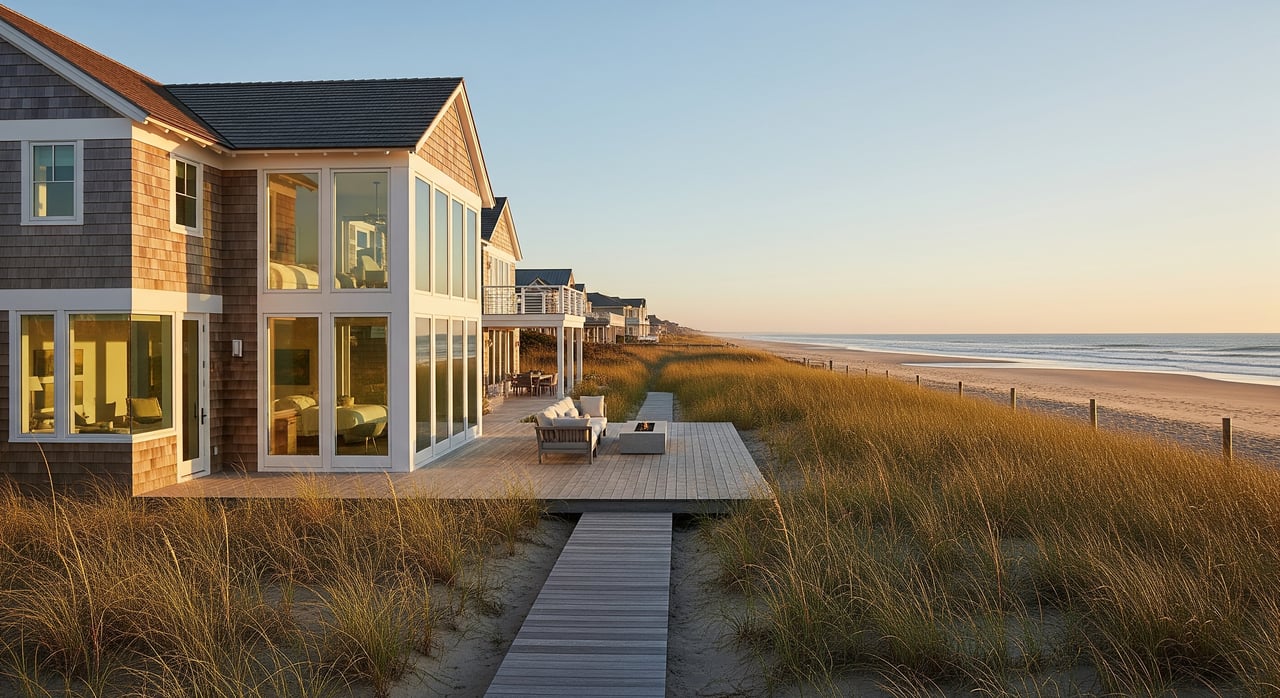
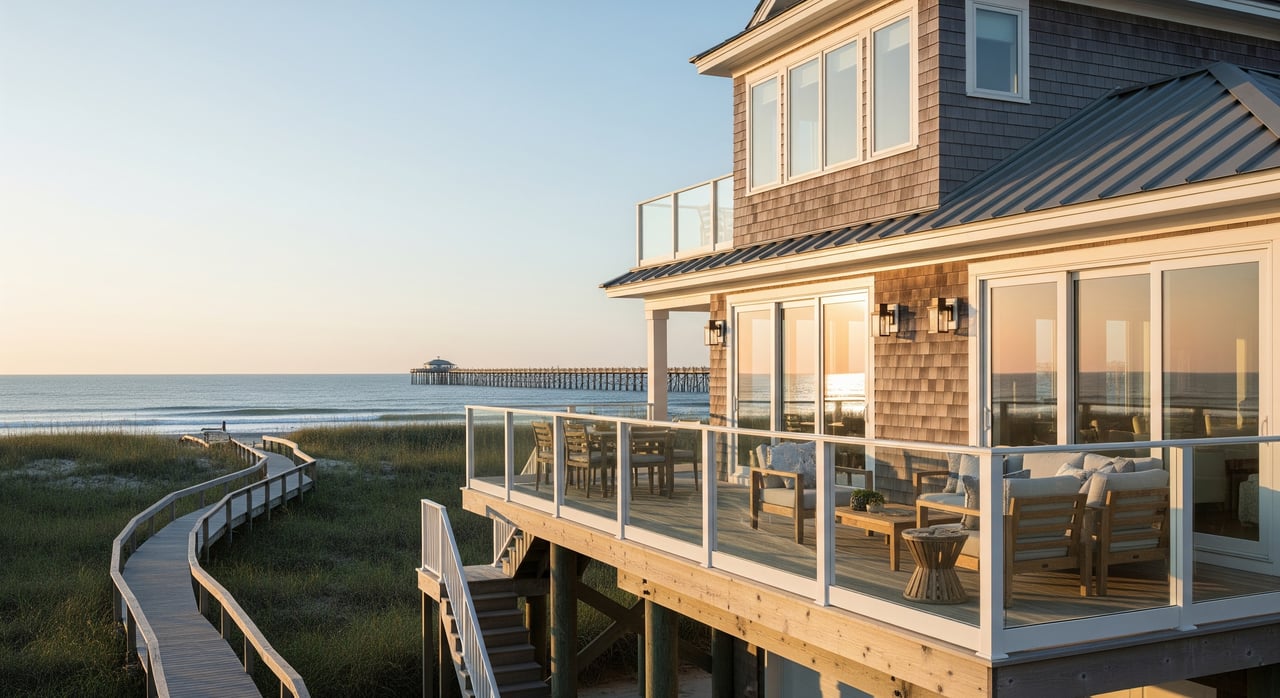
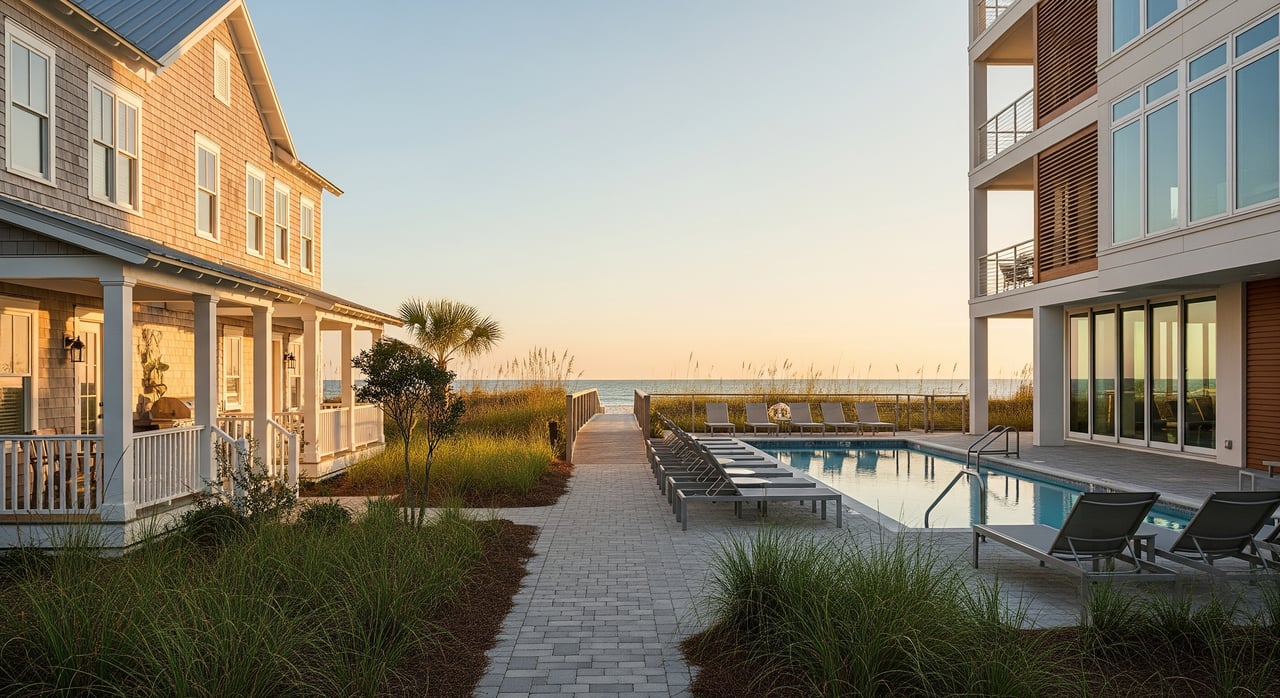
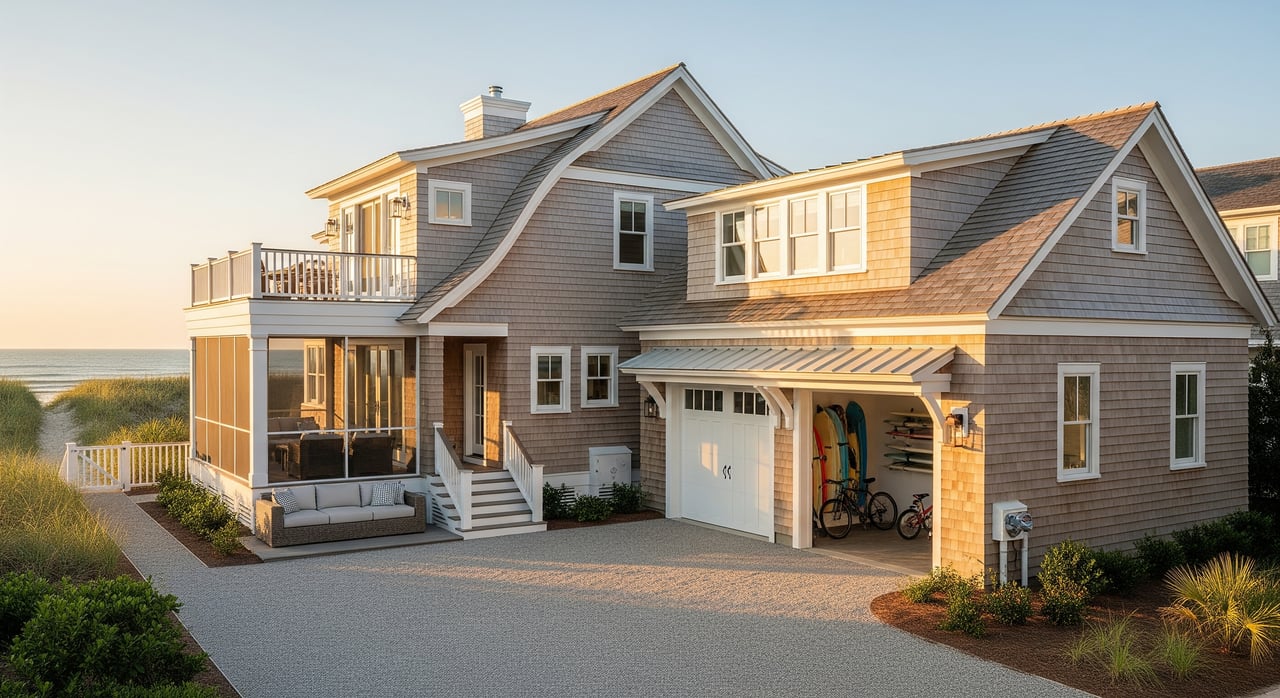
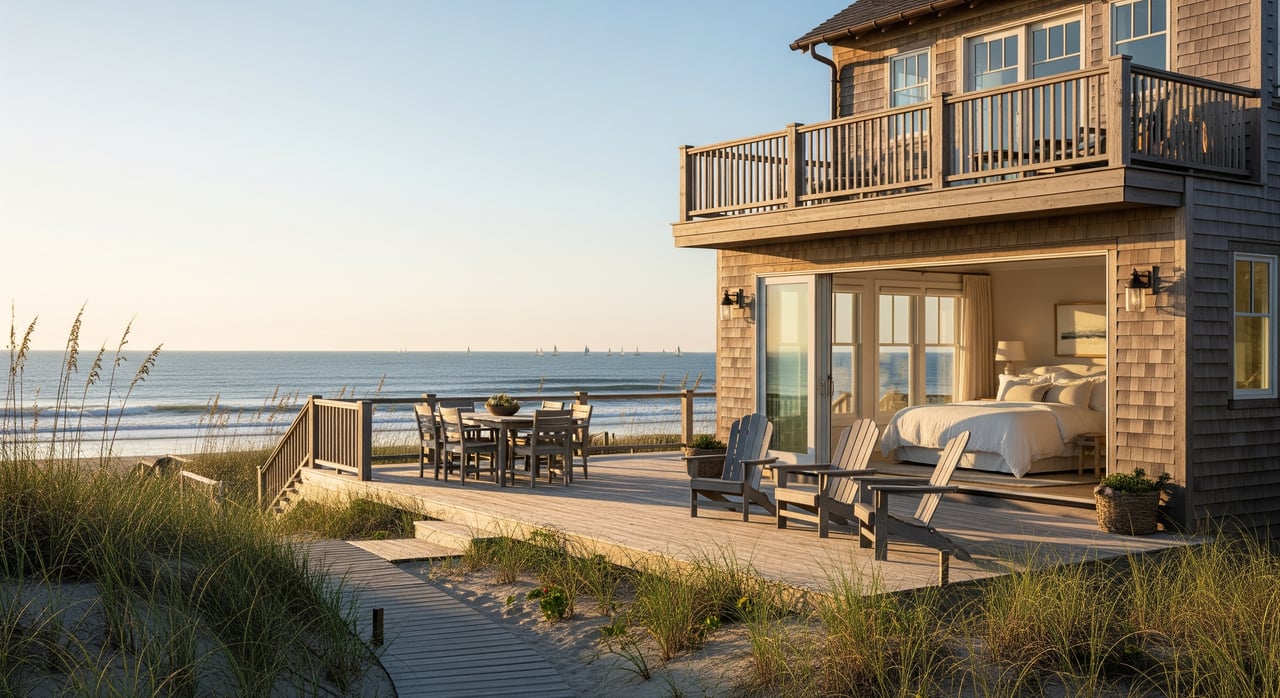
If you want the classic oceanfront scene, focus on Wrightsville Beach, Carolina Beach, and Kure Beach. These towns offer direct beach access, public beach infrastructure, and seasonal visitor energy. To get a feel for beach operations and amenities, review the local beach information for Wrightsville Beach.
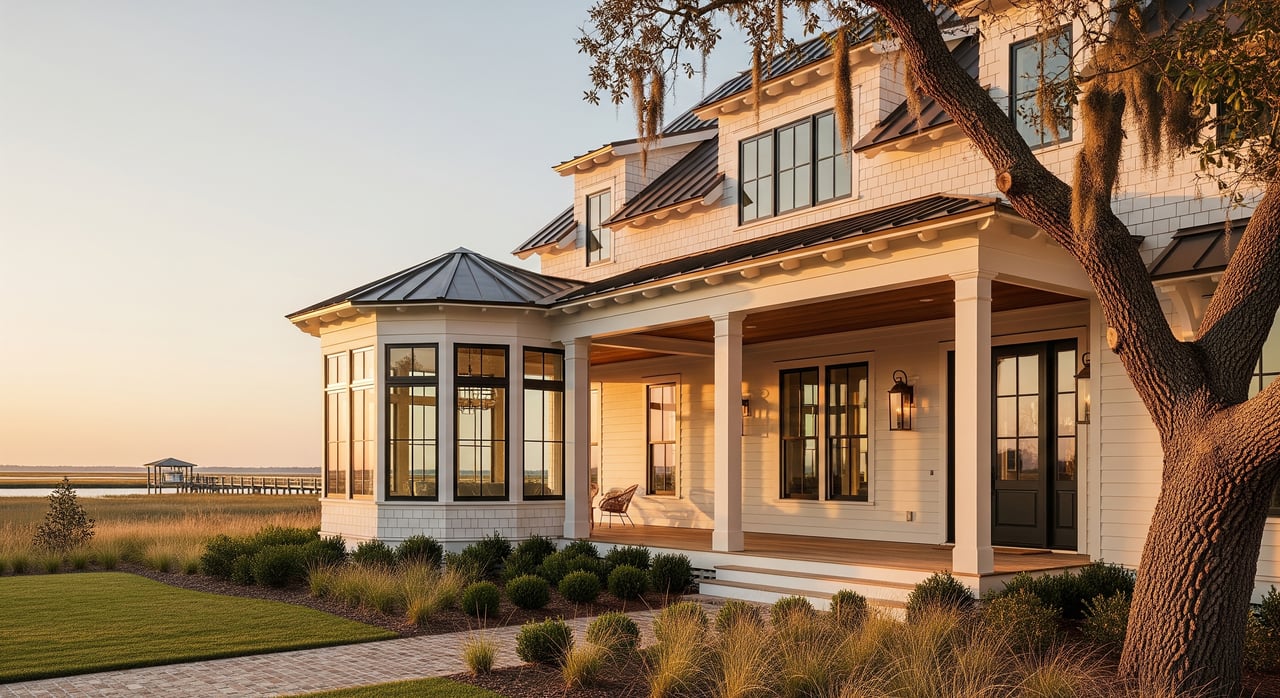
Prefer calmer water for boating and kayaking, plus more yard space? Look to mainland neighborhoods along the Intracoastal Waterway and marshes. Communities like Landfall and areas around Bradley Creek and Banks Channel often offer private docks on select lots, larger homes, and a quieter setting compared to the strand.
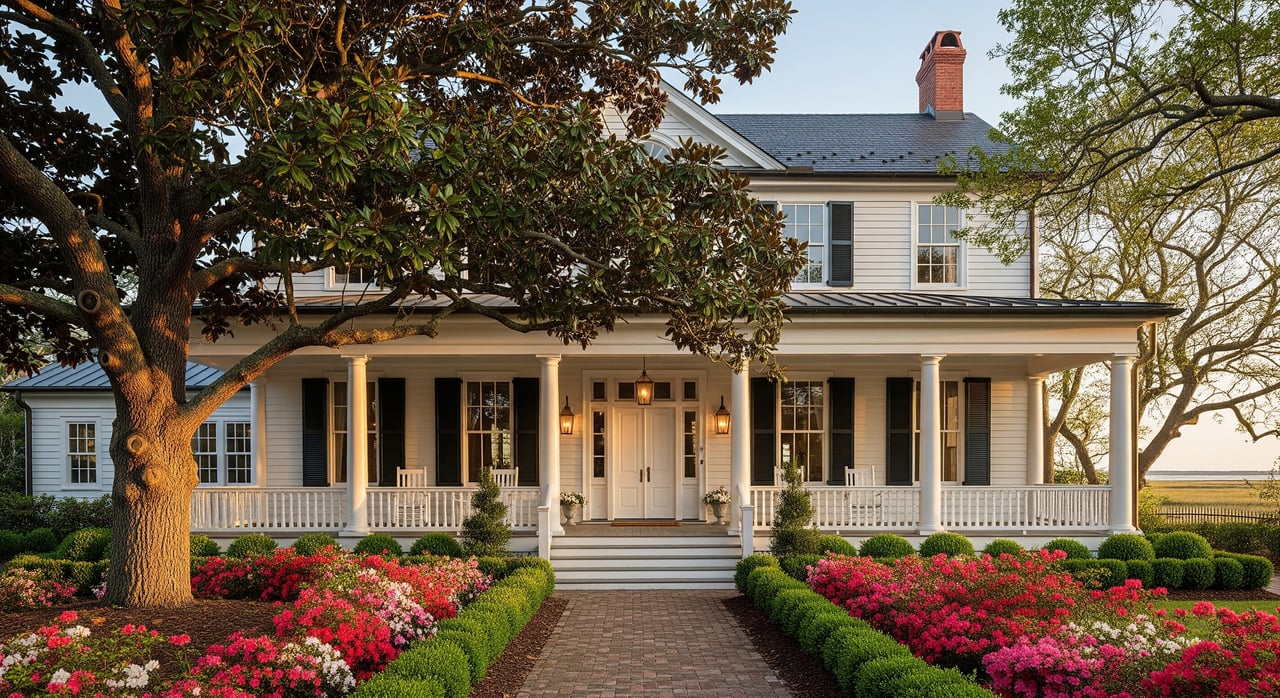
If walkability and culture top your list, the historic downtown along the Cape Fear River delivers a vibrant waterfront lifestyle. Expect character homes, smaller yards, and quick access to restaurants and the Riverwalk.
Want conveniences plus easy beach days? Areas near Mayfaire, Lumina Station, Ogden, and Porters Neck place you close to shopping, dining, and medical services, with short drives to the shore. You trade direct water frontage for everyday ease and newer construction.
Your early homework should include a flood map check and an insurance conversation. Start with the FEMA Flood Map Service Center to look up the address, panel, and Base Flood Elevation. Flood zones and elevation can affect mortgage requirements and design choices.
Flood insurance pricing under FEMA’s Risk Rating 2.0 is now property specific, not just zone based. Two homes on the same street can have different premiums due to elevation, distance to water, and construction details. Review the program overview on Congress.gov and get an address-level quote, ideally with an elevation certificate.
Beyond NFIP flood policies, homeowners and wind coverage are market driven in coastal North Carolina. Rates have seen pressure in many coastal counties. Ask sellers for recent premium history and get quotes from local agents. For background on statewide trends, see the North Carolina overview from Insurance.com.
Evacuation zones are not the same as flood zones. North Carolina’s “Know Your Zone” system assigns an A, B, or C designation for coastal areas. Look up your address zone and plan routes in advance through the Know Your Zone FAQ.
If a dock, boat lift, or shoreline stabilization matters to you, confirm permits early. The NC Division of Coastal Management implements CAMA rules for coastal counties, and many projects require permits or coordination with federal agencies. Learn the basics and ask for documentation through the Division of Coastal Management at NC DEQ.
New Hanover County provides helpful mapping and floodplain resources that can pinpoint parcel-level risk and common flooding spots. Use county tools and contact planning staff with questions about local floodplain rules or studies. Start with the county’s resource pages and FAQs at New Hanover County.
Bridges, beach traffic, and lift schedules can affect your routine, especially in peak season. If you have a fixed-time commute, test drives at rush hour on the exact routes you will use. Also map your day-to-day stops, like groceries, medical care, and fitness. Many buyers prefer being within a short drive of Mayfaire, Independence Mall, or Lumina Station for errands, and close to Wilmington International Airport for travel days.
Short-term rental rules vary by municipality in New Hanover County. Registration, zoning, inspections, and occupancy limits can differ between beach towns and the City of Wilmington, and rules have evolved in recent years. Review a current summary for Wilmington through this independent tracker at STR Profit Map, then confirm details with the local municipality before relying on rental income.
If you plan to host, North Carolina and many coastal counties collect sales and room-occupancy taxes. Hosts generally register an account and file returns according to county processes. For a plain-language look at occupancy tax requirements, review the state framework on NC General Assembly, then verify current county steps before you launch.
Before you close, verify three things in writing:
Use this quick worksheet to compare neighborhoods and keep your priorities front and center. For each line, score each area 1 to 5, then note the document to request or step to take.
Here is a focused due-diligence list to translate your goals into a confident offer. Ask your agent to assemble these items early in the search.
FEMA and NFHL lookup for the exact address with the official FIRM panel and Base Flood Elevation.
Elevation Certificate or recent survey that shows first-floor elevation relative to BFE. If none exists, estimate time and cost to obtain one.
Seller disclosure of any flood or hurricane claims, plus current NFIP policy premium if applicable. Also request quotes for homeowners and wind coverage.
New Hanover County GIS or “Where does it flood” printout for the parcel, and any notes on historical street or nuisance tidal flooding nearby.
Documentation for any coastal permits such as CAMA or USACE for docks, seawalls, or shoreline work, including last maintenance or repair records.
HOA or condo covenants, restrictions, and any rental rules. If STR income matters, confirm permissibility and any caps or minimum stays.
Local municipal STR requirements for the specific address, and the county room-occupancy tax registration steps and responsibilities.
Recent insurance history for wind, hail, and homeowners coverage, with any hurricane deductibles and mitigation features like shutters or impact glass.
Commute test results that capture peak-hour drive times and any bridge dependencies, plus alternate routes.
A quick-access map to everyday amenities, including groceries, pharmacy, fitness, urgent care, and the airport, with notes on sidewalks and bike routes.
Coastal areas can experience nuisance tidal flooding that changes season by season. Planning with maps, elevation data, and proven building practices helps you enjoy the lifestyle with fewer surprises. For a broader look at coastal flood patterns and why planning ahead matters, review this accessible overview on Climate.gov, then use local FEMA maps and the county’s tools to guide your choices.
Ready to explore neighborhoods that match your lifestyle and risk comfort? Reach out for a calm, step-by-step approach grounded in local experience. Connect with Renee W Reitzel to start your Wilmington coastal home search.
Stay up to date on the latest real estate trends.
Whether you’re ready to start or just have questions, Renee is here to help. Reach out today to get one step closer to your Carolina dream.