
Understanding a Seller's Market in Wrightsville Beach
January 1, 2026
January 1, 2026
Are you hearing that Wrightsville Beach is a “seller’s market” and wondering what that really means for you? If you’re thinking about buying, selling, or moving up on the island, it can feel like the rules keep shifting. You want a clear, local explanation so you can plan your next step with confidence. This guide breaks down the metrics that define a seller’s market, how Wrightsville Beach’s micro-market behaves, and what you can do to win in any season. Let’s dive in.
A seller’s market happens when buyer demand outpaces the number of homes for sale. Sellers gain leverage, homes sell faster, and prices often hold firm or rise. You’ll see shorter timelines, stronger offers, and fewer seller concessions.
Professionals use a few simple metrics to confirm this. Months of inventory, days on market, and list-to-sale price ratios show how quickly homes move and how close final prices land to the list price. Offer patterns, like multiple bids or waived contingencies, round out the picture.
Months of inventory (MOI) estimates how long current listings would take to sell at the recent sales pace.
MOI is powerful because it adjusts for both supply and sales speed. In a small beach town, even a small change in listings or buyer activity can swing MOI quickly.
Median days on market (DOM) shows how fast homes go under contract. Short DOM points to urgent demand. Longer DOM suggests cooling. In beach micro-markets like Wrightsville Beach, limited supply often pushes DOM lower during peak seasons.
This ratio compares the final sale price to the asking price.
Qualitative clues matter too. Multiple offers, escalation clauses, cash offers, appraisal gap coverage, or waived inspections tell you buyers are competing. Short marketing windows and sellers choosing terms like closing date or rent-backs are also common in a seller-favored market.
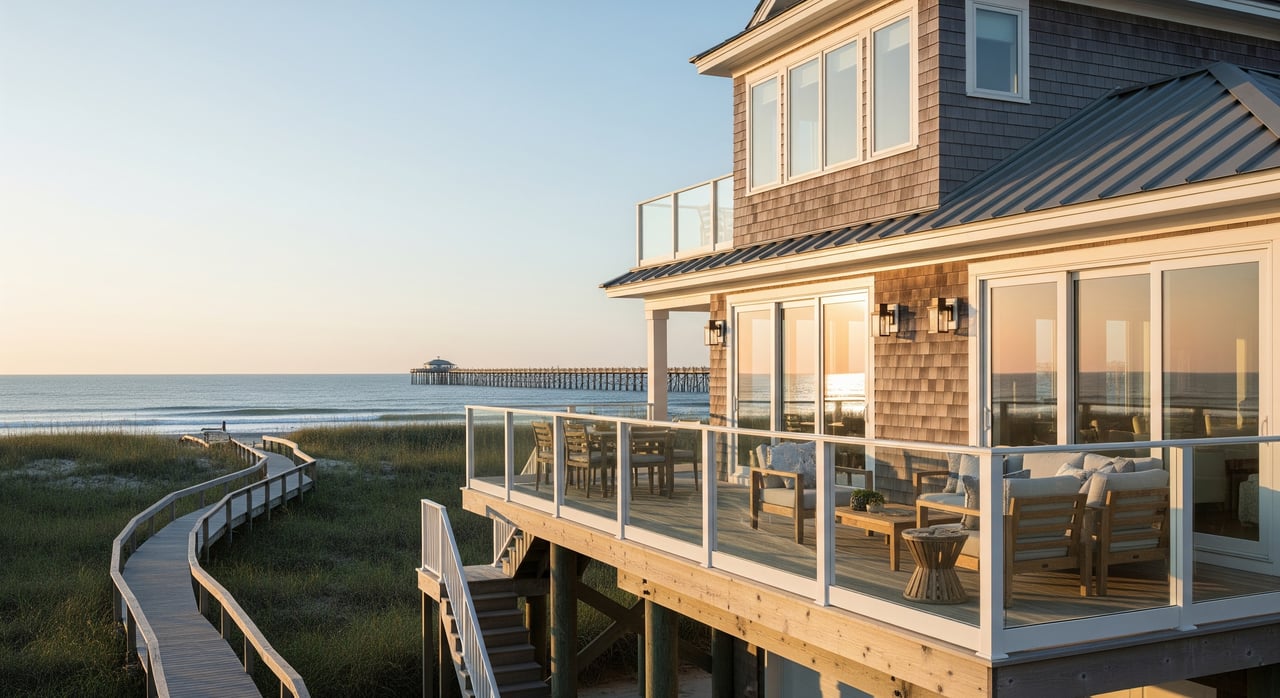
Wrightsville Beach is a small barrier island with limited developable land. The pool of homes for sale is usually small, which makes any bump in buyer traffic feel big. Second-home and short-term rental ownership further reduces the effective number of options at any moment.
Demand often peaks in late winter through early summer as people plan for the beach season. Investor interest can rise during booking and planning months, especially for properties aligned with short-term rental use. Off-season behavior can differ, so timing matters.
You’ll see a blend of local professionals, out-of-area second-home buyers, retirees, and investors. Some are lifestyle-driven, others focus on rental income. Price sensitivity varies by motivation, which is why certain segments, like well-located single-family homes, can see stronger competition.
FEMA flood zones, elevation, and insurance costs play a real role. Rising premiums or stricter coverage can trim the buyer pool even when inventory is tight. Clear disclosure around flood zone status, elevation, and any mitigation steps helps buyers compare value and reduces surprises later.
To confirm current conditions in Wrightsville Beach, request:
Because the island is small, use rolling 90-day or 12-month views to cut through short-term noise.
Here are illustrative examples to show how the numbers translate:
Even in a seller’s market, smart pricing is key. Overpricing can stall showings and force reductions. Use fresh, hyperlocal comps and highlight coastal specifics buyers care about, like elevation, flood zone details, and insurance history. Professional photography and easy showing access help you capture early momentum.
When leverage is on your side, focus on certainty and timing. Consider offers with larger earnest money, cash or strong financing proof, shorter due diligence periods, and clear appraisal terms. Waived or limited contingencies can be attractive, but weigh risk carefully with your agent.
In a tight market, preparation is your edge:
Consider larger earnest money, flexible closing dates, or appraisal gap coverage if it fits your risk tolerance and lender guidance. Keep contingencies purposeful, not reflexive. Ask for seller disclosures up front so you can move quickly with confidence.
Selling in a seller’s market can maximize your proceeds, but buying the next home can be challenging. Options include listing with a purchase contingency, arranging bridge financing, using temporary housing, or negotiating a post-closing rent-back. Align timing with seasonal patterns when possible and have backup properties identified before you go live.
Coastal micro-markets can turn faster than larger cities. Insurance premium spikes, big storm events, or new short-term rental rules can cool demand. Mortgage rate jumps can also change affordability overnight. Keep a close eye on MOI, DOM, and list-to-sale ratios to spot shifts early.
Wrightsville Beach rewards local knowledge. A boutique, hands-on approach helps you interpret fast-moving data, structure the right pricing or offer strategy, and move with confidence. If you want guidance tailored to your timeline, property type, and risk comfort, let’s talk.
Ready to plan your next step in Wrightsville Beach? Connect with Renee W Reitzel for attentive, nurse-to-broker service and hyperlocal coastal expertise for listings, buyer representation, investor placements, rentals, and relocation support.
Stay up to date on the latest real estate trends.
Whether you’re ready to start or just have questions, Renee is here to help. Reach out today to get one step closer to your Carolina dream.